
Eye surgery, selected for your eyes
Dr Mohamed Anis focuses on refractive, lens and cataract surgery, deciding whether an eye needs corneal laser, an implantable lens or natural-lens surgery after detailed measurements and examination.
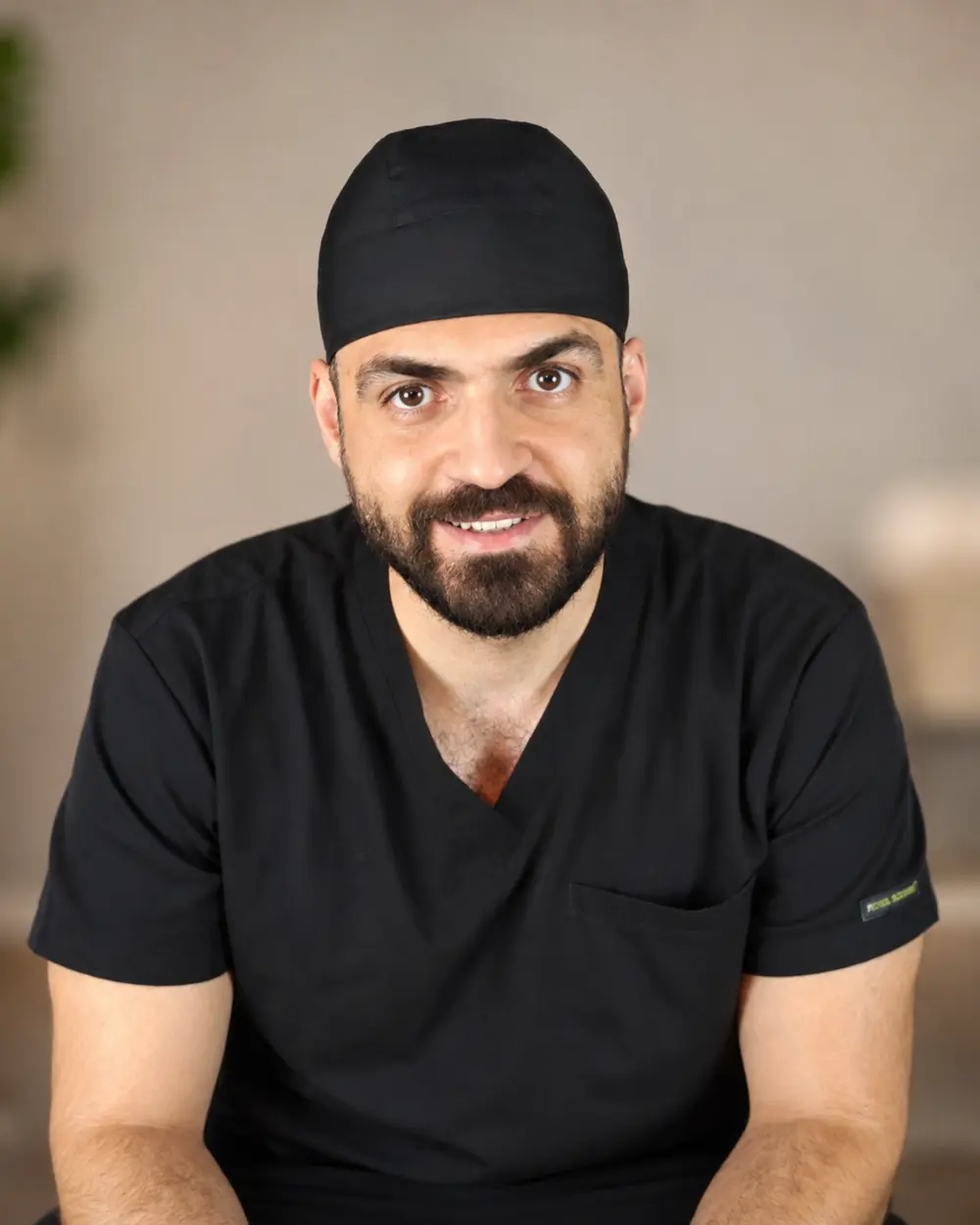
Cornea, prescription or natural lens?
Each pathway has different measurements, risks and visual goals. This site explains them in depth; your personal decision begins with examination.
Corneal laser
LASIK, FemtoLASIK, PRK, TransPRK and customized planning.
Explore the guidesImplantable lenses
ICL and refractive lens exchange for selected prescriptions and life stages.
Explore the guidesCataract and IOLs
Cataract types, surgery, and monofocal, toric, EDOF and trifocal IOLs.
Explore the guidesA surgeon-led decision, not a procedure menu
Each technique has strengths and trade-offs. Dr Mohamed Anis reviews the measurements to determine which pathway fits your cornea, prescription and life.
FemtoLASIK
Laser-made flap with fast early visual recovery.
Learn more02TransPRK
Flap-free surface correction for selected eyes.
Learn more03Custom LASIK
Measurement-led personalization when it adds value.
Learn more04Contoura explained
What topography-guided treatment means—and when the name applies.
Learn more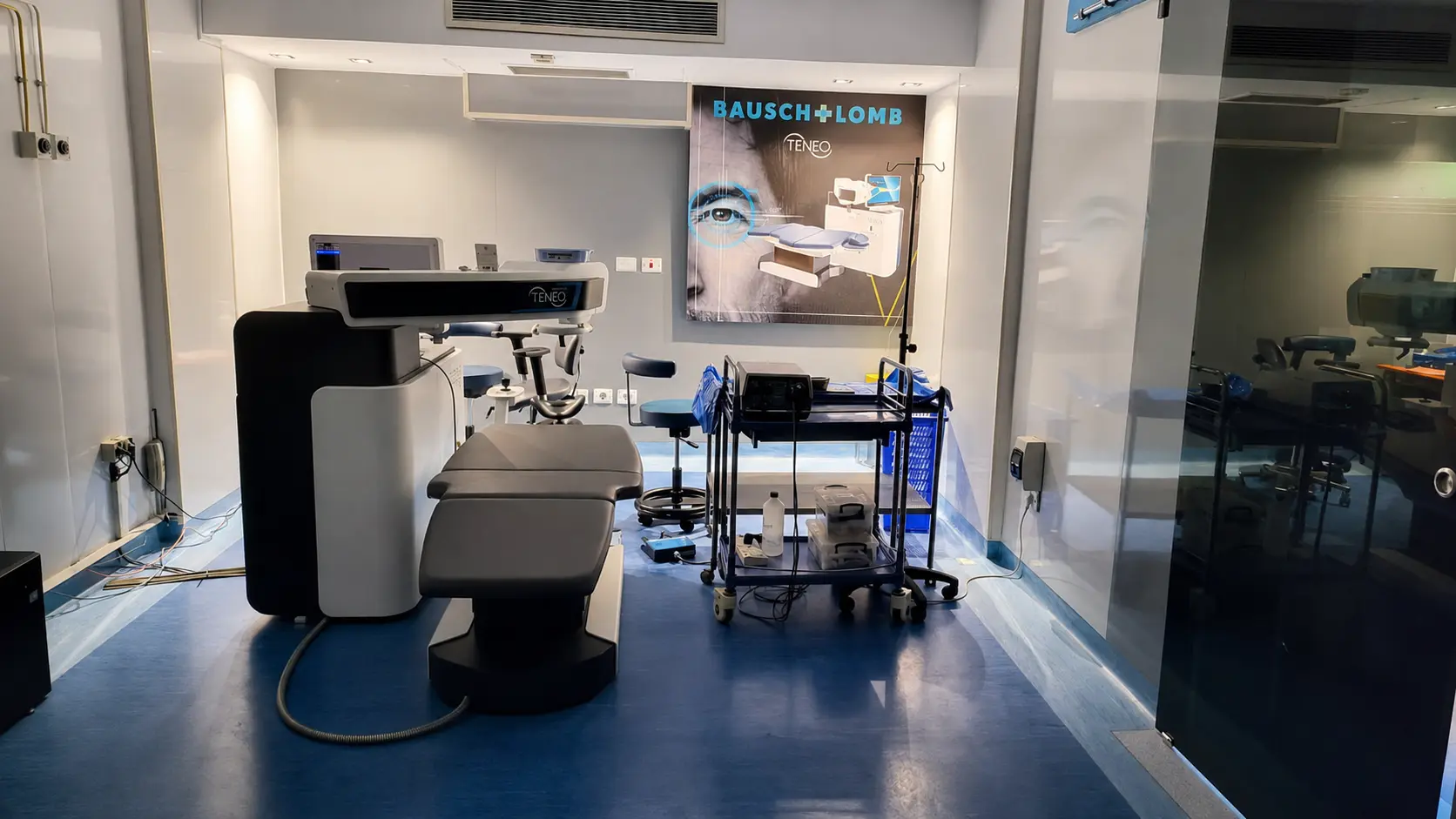 Actual surgical theatre
The surgical centre used for laser vision correction
This photograph shows the dedicated surgical centre where Dr Mohamed Anis performs laser vision-correction procedures. Consultations, diagnostic assessment and follow-up take place at Cairo LASIK Clinic in Heliopolis.

Clearer vision, greater freedom and more confidence without glasses
For many patients, vision correction is about more than a prescription. It can mean greater freedom at work, during sport and while travelling, letting your natural features show without spectacle frames, and feeling more comfortable and confident in photographs and social situations. Your visual goal and procedure are still guided by your lifestyle and eye measurements, without exaggerated promises.
Compare vision-correction proceduresPrecision begins before the laser starts
Refraction, corneal tomography, pachymetry, wavefront data and ocular-surface assessment build the treatment plan. Dr Mohamed Anis reviews the measurements and explains the suitable options and their limits.
- Corneal shape and thickness
- Residual tissue planning
- Dry-eye and lifestyle review
From measurements to laser or lens selection
Original editorial visuals show the stages discussed with patients: refractive assessment, cataract-lens planning and the differences between advanced lens categories.
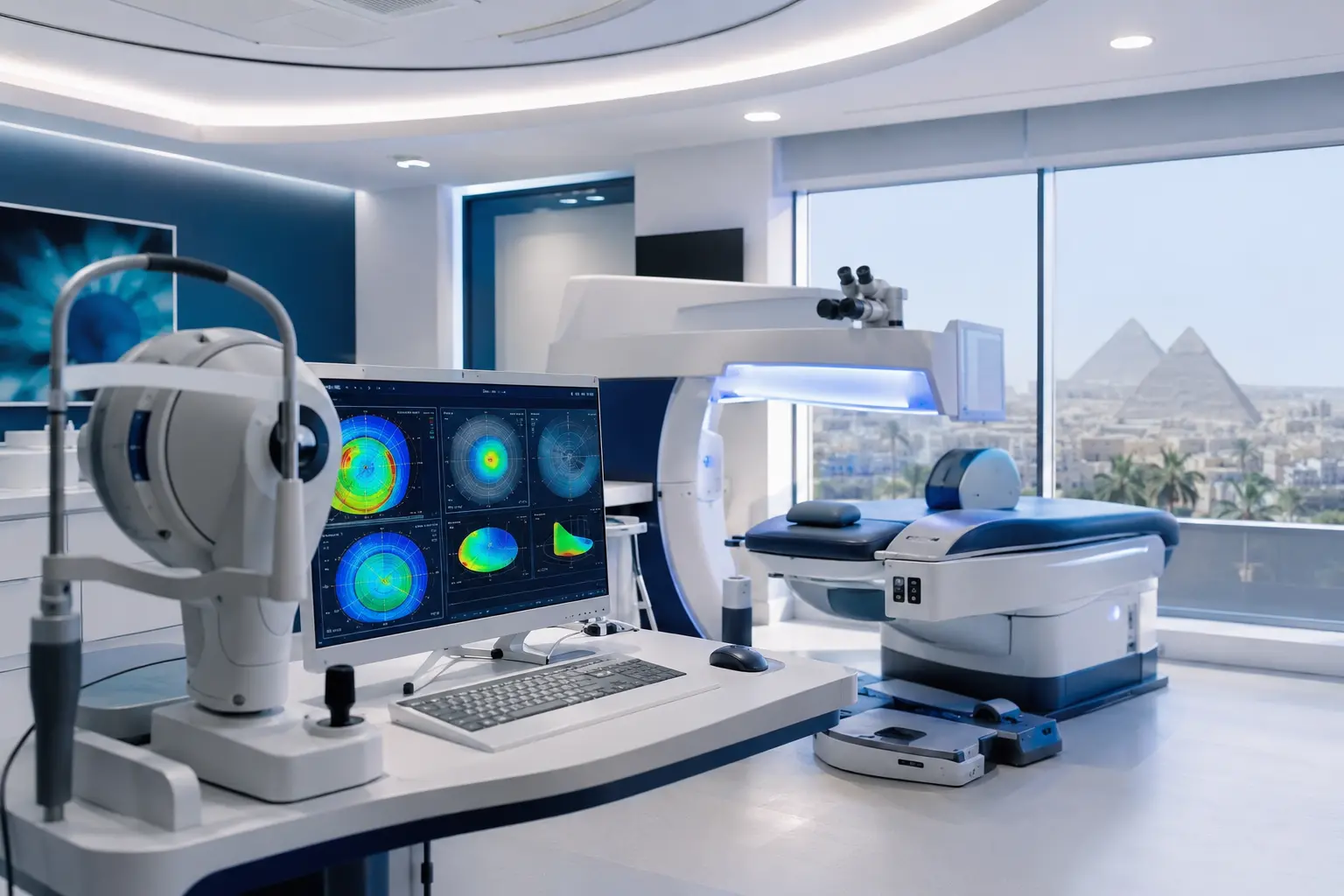
Refractive assessment and mapping
Maps, thickness and ocular-surface review before LASIK, FemtoLASIK or TransPRK.
Explore the guide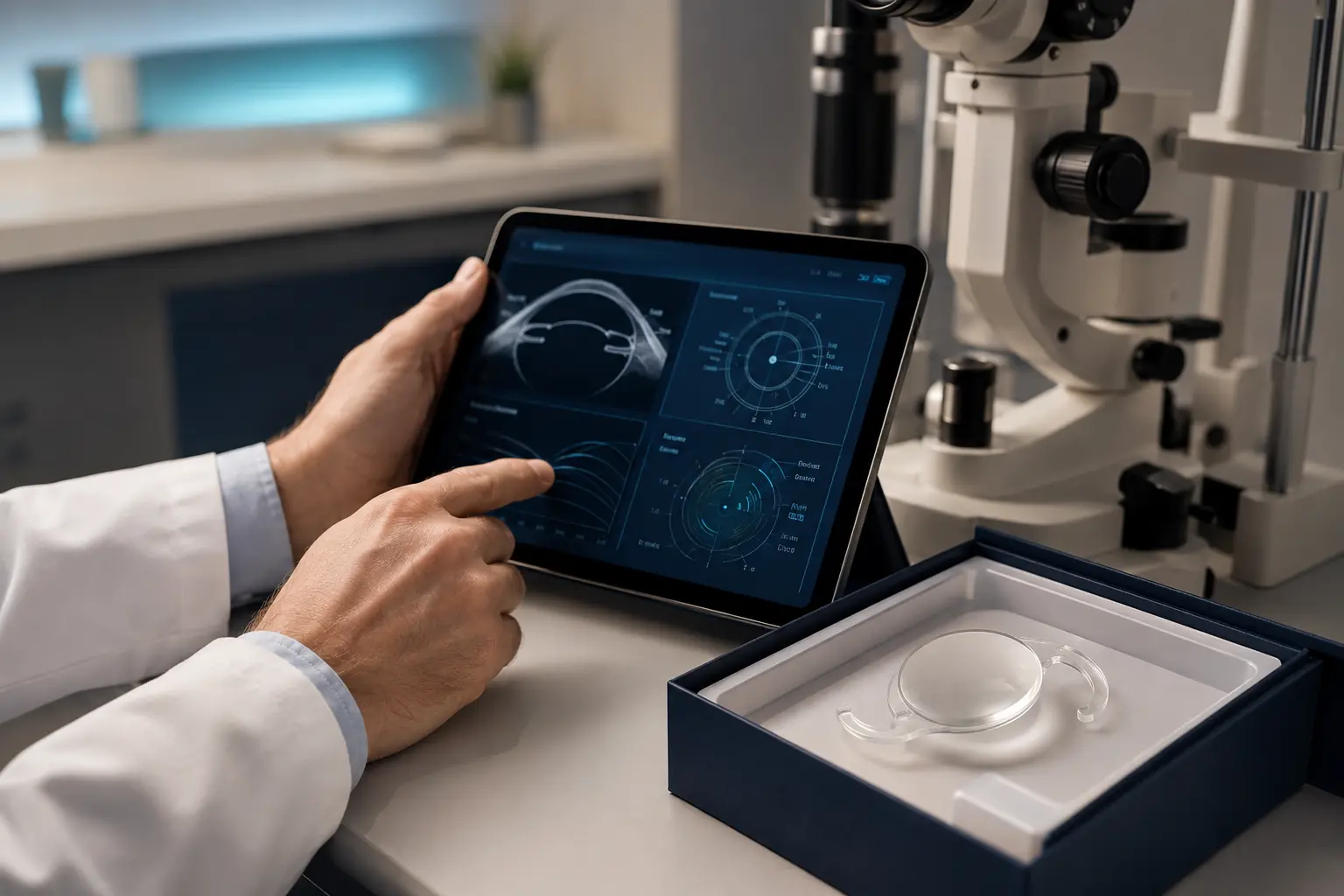
Cataract-lens planning
Biometry, astigmatism, reading and night-driving priorities shape the lens plan.
Explore the guide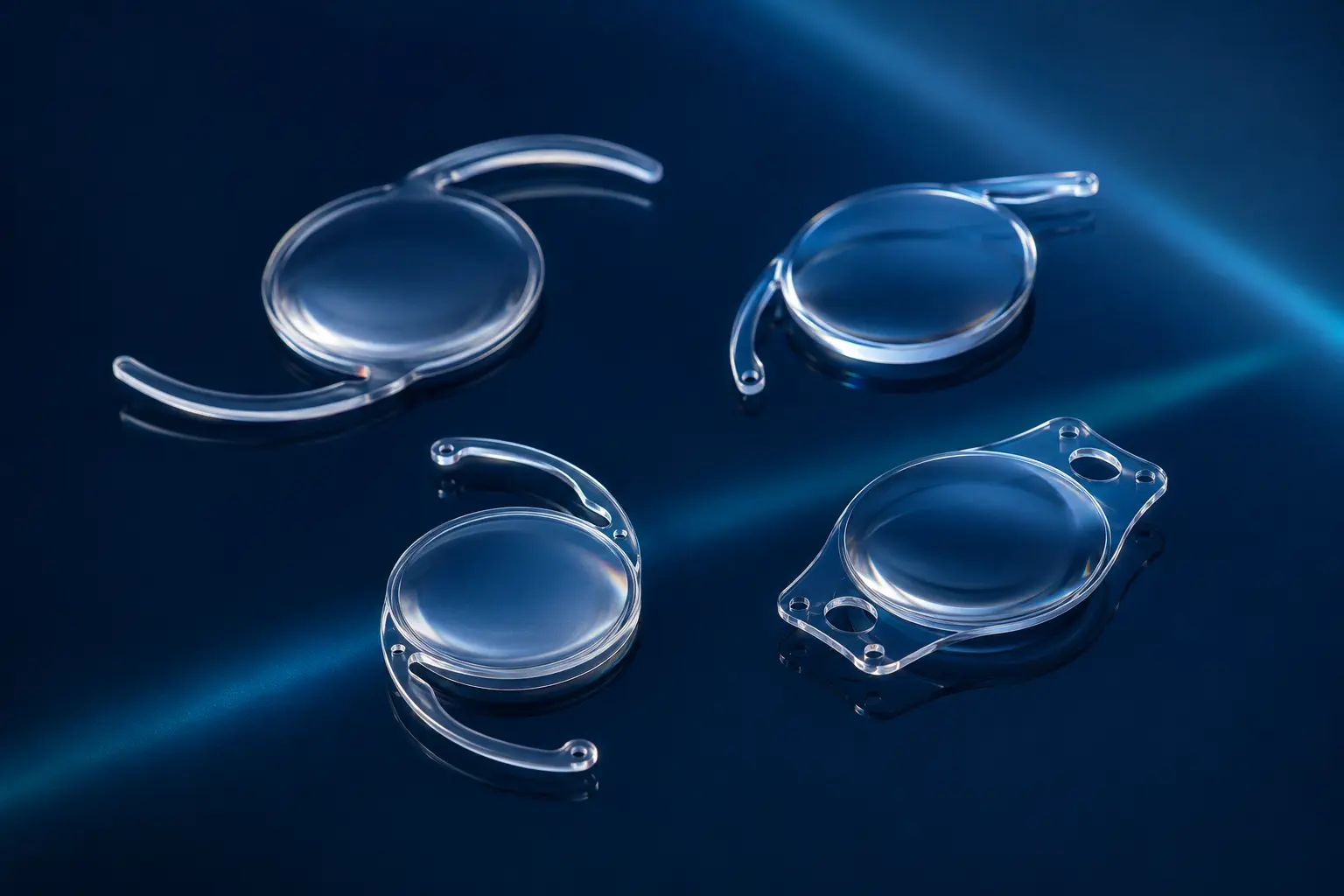
Advanced intraocular-lens categories
Monofocal, Eyhance, Vivity, EDOF, trifocal and toric options selected for the eye.
Explore the guideA clear clinical plan before you book travel
Dr Mohamed Anis has performed many refractive and cataract procedures for patients travelling from Gulf countries and the United States. The clinic can review available records and help plan assessment, stay and follow-up, while confirming surgery only after examination in Cairo.
Read before choosing a procedure
Types of Laser Eye Surgery: LASIK, FemtoLASIK, PRK, TransPRK and SMILE
The names describe different ways of reaching or reshaping the cornea. The correct choice comes from measurements, not a ranking of procedures.
Read articleTypes of Cataract: Nuclear, Cortical, Posterior Subcapsular and Other Causes
Cataract means clouding of the natural lens, but its location, cause, speed and visual effect can be very different.
Read articleTypes of Cataract Lenses: Monofocal, Toric, Enhanced, EDOF, Multifocal and Trifocal
The lens is chosen around eye health and visual priorities. More focal points do not automatically mean better quality.
Read articleLASIK vs ICL: Corneal Laser or Implantable Lens?
LASIK reshapes the cornea; ICL adds a lens inside the eye while keeping the natural lens. The trade-offs are fundamentally different.
Read articleCataract Surgery Recovery: Vision, Drops, Activity, Driving and Warning Signs
Vision often improves quickly, but the cornea, inflammation and refractive result continue to settle over several weeks.
Read articleMonofocal vs Multifocal vs EDOF IOLs: Vision Range and Optical Trade-Offs
A broader range of focus can reduce glasses dependence, but it does not always provide the cleanest image for every eye.
Read articleBest Ophthalmologists in Cairo and Egypt: How to Choose an Eye Surgeon
‘Best’ is not a regulated medical title. The useful question is which ophthalmologist has the right expertise, process and follow-up for your particular eye problem.
Read articleEye Surgeries and Treatments in Egypt: A Complete Patient Guide
A structured map of common ophthalmic operations and interventions, which eye layer they treat and which specialist usually manages them.
Read articleDr Mohamed Anis, from assessment to follow-up
Ophthalmologist and refractive and cataract surgeon, Ain Shams University graduate and MRCOphth (UK), with interests spanning corneal laser, implantable lenses and cataract IOL planning.
The goal is not to sell a procedure or lens name. It is to identify the source of the problem and choose the appropriate balance for your eyes and needs.Meet the doctor
Common questions, without exaggerated promises
Is LASIK suitable for every prescription?
No. Prescription is one part of the decision; corneal shape and thickness, ocular surface and stability are essential.
Which procedure has the fastest recovery?
LASIK and FemtoLASIK are usually faster than TransPRK, but speed should not overrule safety calculations.
Can surgery guarantee freedom from glasses?
The goal is to reduce dependence substantially, but perfect vision or never needing glasses again cannot be guaranteed.
How do I receive a quotation?
After examination identifies the suitable procedure, the clinic explains the current fee and everything included.
When should cataract surgery be considered?
When lens clouding affects daily life or prevents examination or treatment of another problem, and expected benefit outweighs individual risk.
Which cataract lens is best?
No single lens is best for everyone; corneal and macular health, astigmatism, driving, reading and tolerance of optical trade-offs shape the plan.
Ready to understand your options?
Cairo LASIK — 8 Abdelhady Sadeq St, Almaza, Heliopolis, Cairo.